It's a SaaS-Pocalypse
Why building yet another to-do list might actually be a sign of the end times.
Damn.
Seems like the moment I started trying to do indie hacking, the whole world decided to copy me.
Seriously though, I never thought AI would get that good at coding. Pretty much my entire process has been reduced to prompting a CLI agent now, and I know that literally everyone else is doing the same.
Coding complex software is now becoming so feasible for smaller developers that the most common b2b app ideas are getting hundreds or thousands of new products submitted to app stores every day.
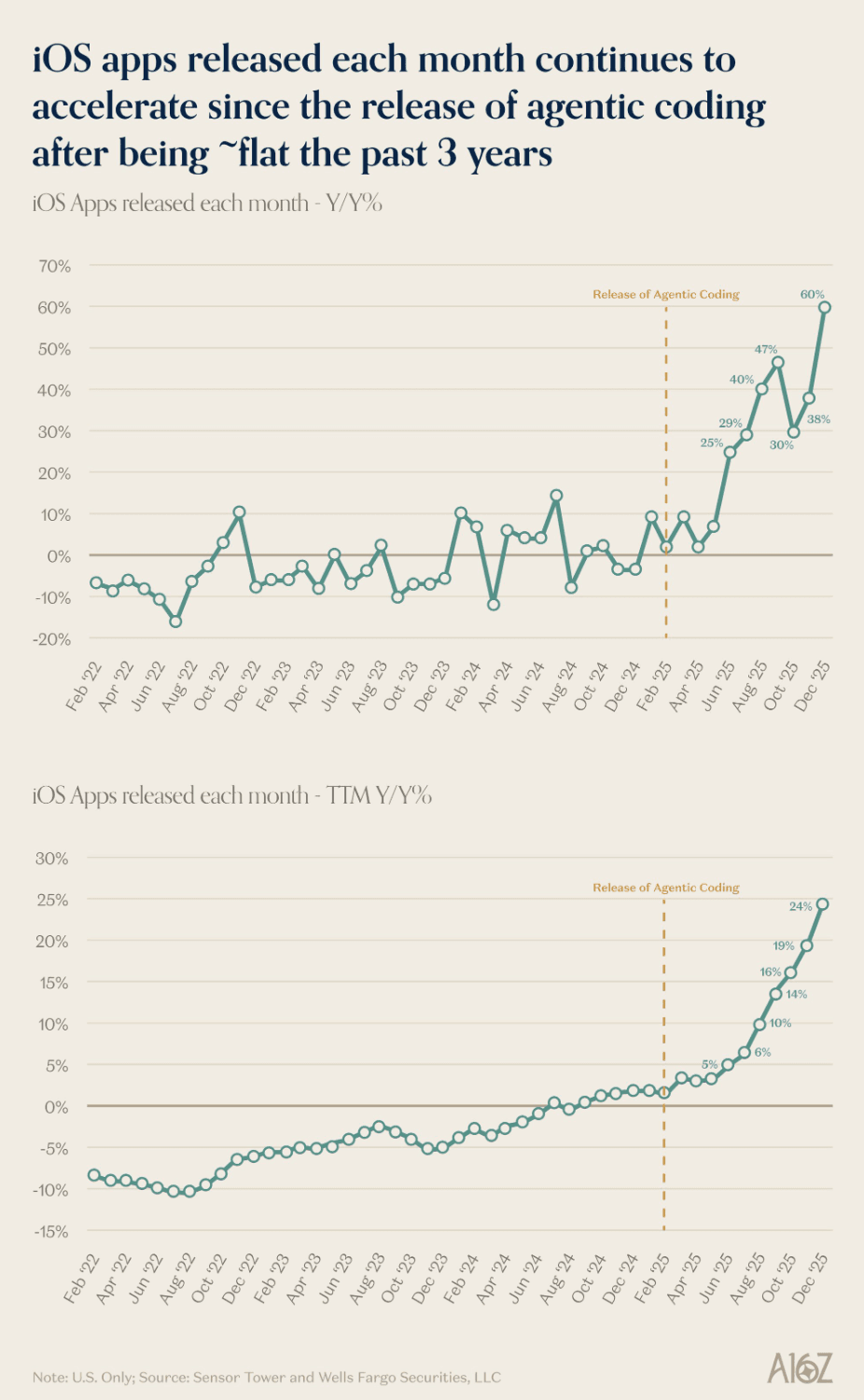
One example is my current project, shillguard. Not only have I seen 10 competitor tools all at various stages of production or distribution, but my submissions to the chrome store are taking 3x the normal length due to the massive increase in submissions of chrome extensions.
It's clear that even though we are in a bit of a hype bubble, it's quickly becoming a game of luck to create any generic app. A lot of what I see on the Internet is saying that SaaS is dead, but whilst it may feel like that at the moment, I think it just shows that in order to be successful, I need to pivot my strategy a bit.
What Doesn't WorkGeneric SaaS ideas: Theres a cool small twitter account I follow with a guy who is building a console for SaaS startups, to make the journey easier. I think he's a great content creator, but his idea is possibly the most generic thing ever. Not only is everyone in his target market a developer himself, but they are all essentially competing for the same tiny pool of early adopters who would rather build the tool than buy it.
Ideas targeting a solely B2C market: It might be just me, but B2C is hard. Marketing to an audience of brain rotted, ADHD millenial/genZ's with the 700th fitness tracker of the week is not going to work unless you are a marketing wizard. Churn is higher, and the people are more emotionally invested because that £59.99 per month is a much more sizeable chunk of their net worth than some SMB making £10m per year.
Software comprising low level features: There's an app called SuperX which I decided to try last week. It has a lot of features, but they honestly could all be vibe coded in a week of work. They did have a moat in that the X API was expensive, but just today X released its pay per use plan, so now there's no real defensibility. Even if you do make a product with 30 good ish features, if someone wants it that much they WILL just copy it.
What Does Work?Okay, so this rules out 95% of new ideas in my list. What does work then?
Free tools: A good way of getting traffic to your paid products, now that vibe coding is so high throughput you can just … copy paid tools and release them for free. Use these as lead magnets to build an email list or drive authority to your main brand.
Automations: People seem to be paying for the intelligence, not the tool. AI is essentially CaaS (clever-as-a-service), and as a result you can automate complex tasks which were manual before. One of the absolute best examples of this is the claude code automation of the mars rover route planning. Look it up, the system they used is going to be the blueprint for basically all new enterprise AI automations.
SaaS which allows you to do things with AI that was not previously possible: Focus on tools that provide deep reasoning or specialized multimodal outputs. We are moving past simple chatbots into the era of autonomous agents that execute multi-step workflows in the real world.
Niche stuff: Everyone is doing the to do list app. Everyone is doing the AI SEO optimiser. Do the reforestation tool to prevent insurance premium rises for warehouses on the east coast of the USA. If you pick a niche and it's small enough, you can conquer it and cement your place in the global economy.
Remember, to be comfortable, I really only need to earn £50k to £100k per year. Even the smallest markets can often bring this in.
The SaaS-Pocolypse isn't the end of the world; it is the end of the easy, generic world. If I can move away from the noise and focus on these deep niches, the dream of the indie hacker is still very much alive.